

ISSN 0439-755X
CN 11-1911/B
CN 11-1911/B
Acta Psychologica Sinica ›› 2025, Vol. 57 ›› Issue (7): 1127-1138.doi: 10.3724/SP.J.1041.2025.1127
• Reports of Empirical Studies • Previous Articles Next Articles
HU Wei1, ZHANG Bao2, JIA Xiaofei3, CHEN Huixian4, YUAN Jie5, FANG Zhuo6, ZHANG John Xuexin7( )
)
Published:2025-07-25
Online:2025-04-24
Contact:
ZHANG John Xuexin
E-mail:xuexinzhang@fudan.edu.cn
HU Wei, ZHANG Bao, JIA Xiaofei, CHEN Huixian, YUAN Jie, FANG Zhuo, ZHANG John Xuexin. (2025). The centro-parietal N200: A neural marker for orthographical processing in visual Chinese one-character word recognition. Acta Psychologica Sinica, 57(7), 1127-1138.
Add to citation manager EndNote|Ris|BibTeX
URL: https://journal.psych.ac.cn/acps/EN/10.3724/SP.J.1041.2025.1127
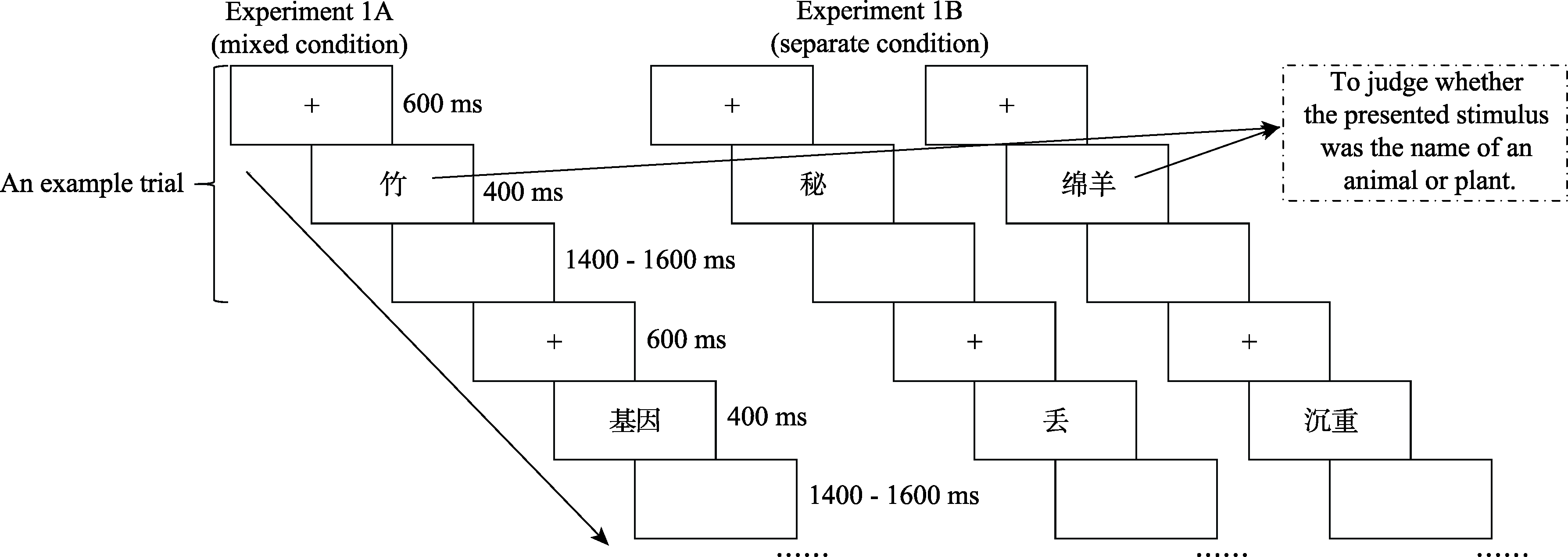
Figure 1. Experimental procedure and condition diagram for Experiment 1.
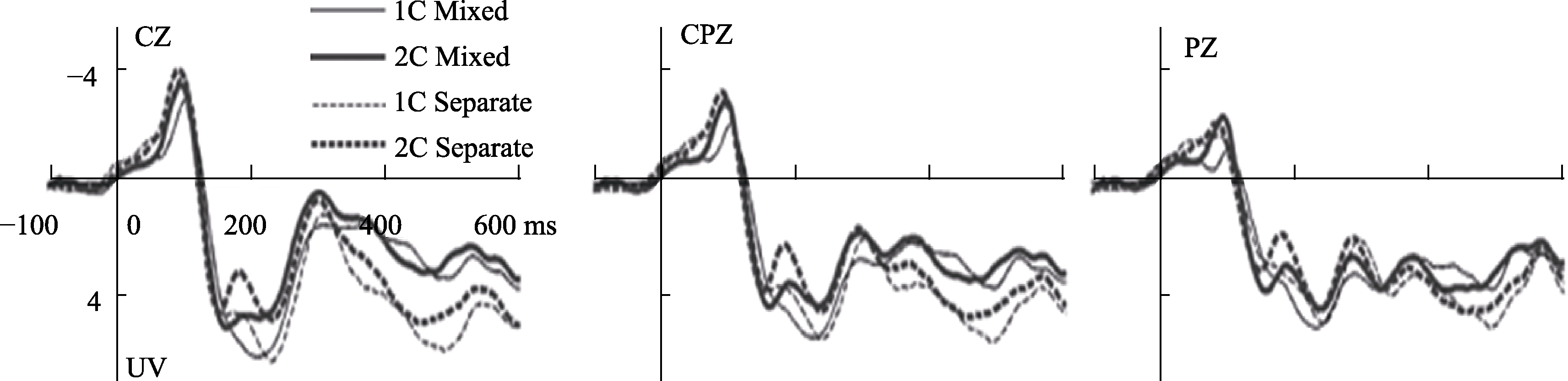
Figure 2. EEG waveforms for single and two-character words (1C, 2C) under mixed and grouped presentation conditions.
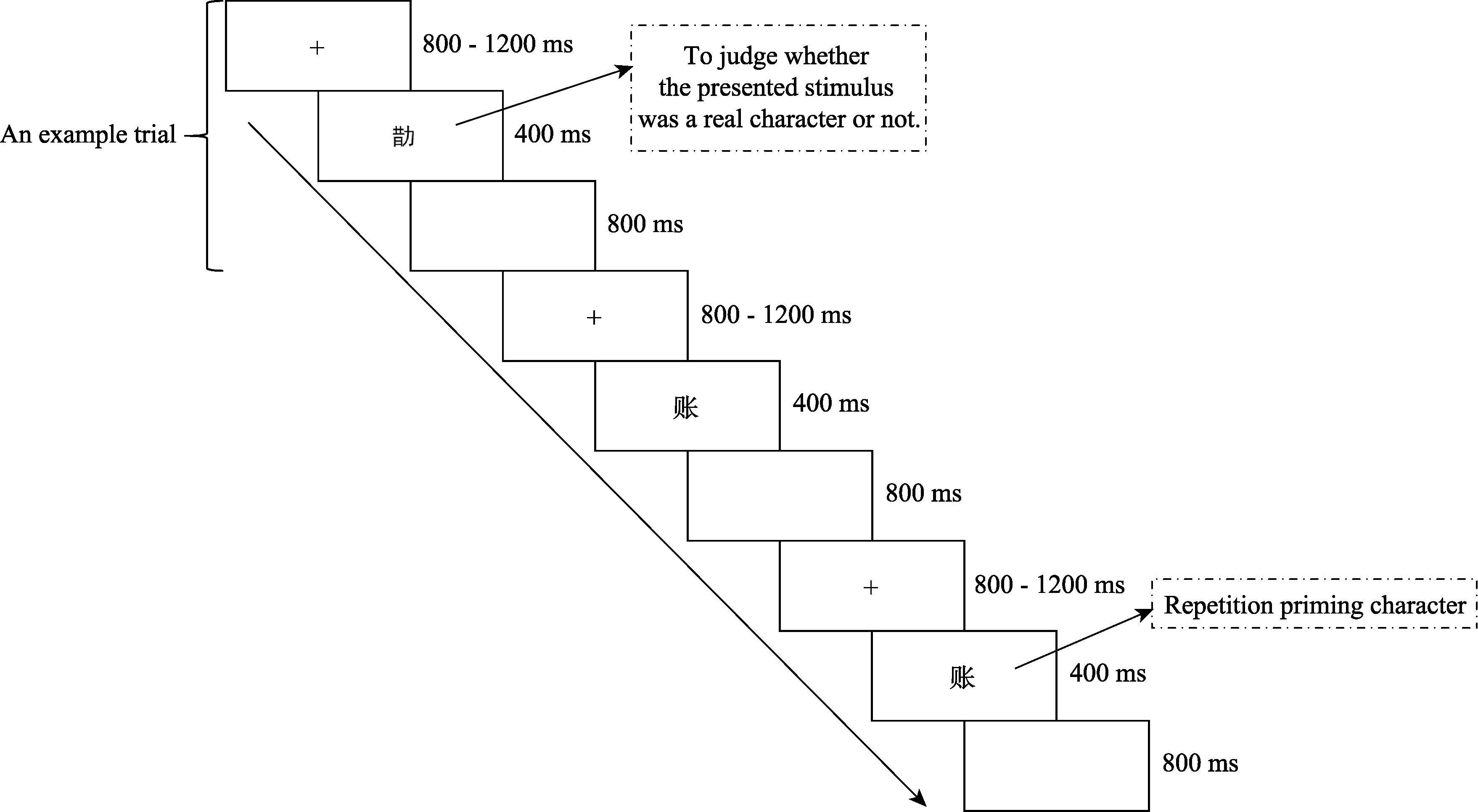
Figure 3. Illustration of Experiment 2 procedure and conditions.

Figure 4. ERP waveforms (top) for real and pseudo characters in repetition and control conditions and topographic maps (bottom) of N200 enhancement effect (repetition minus control).
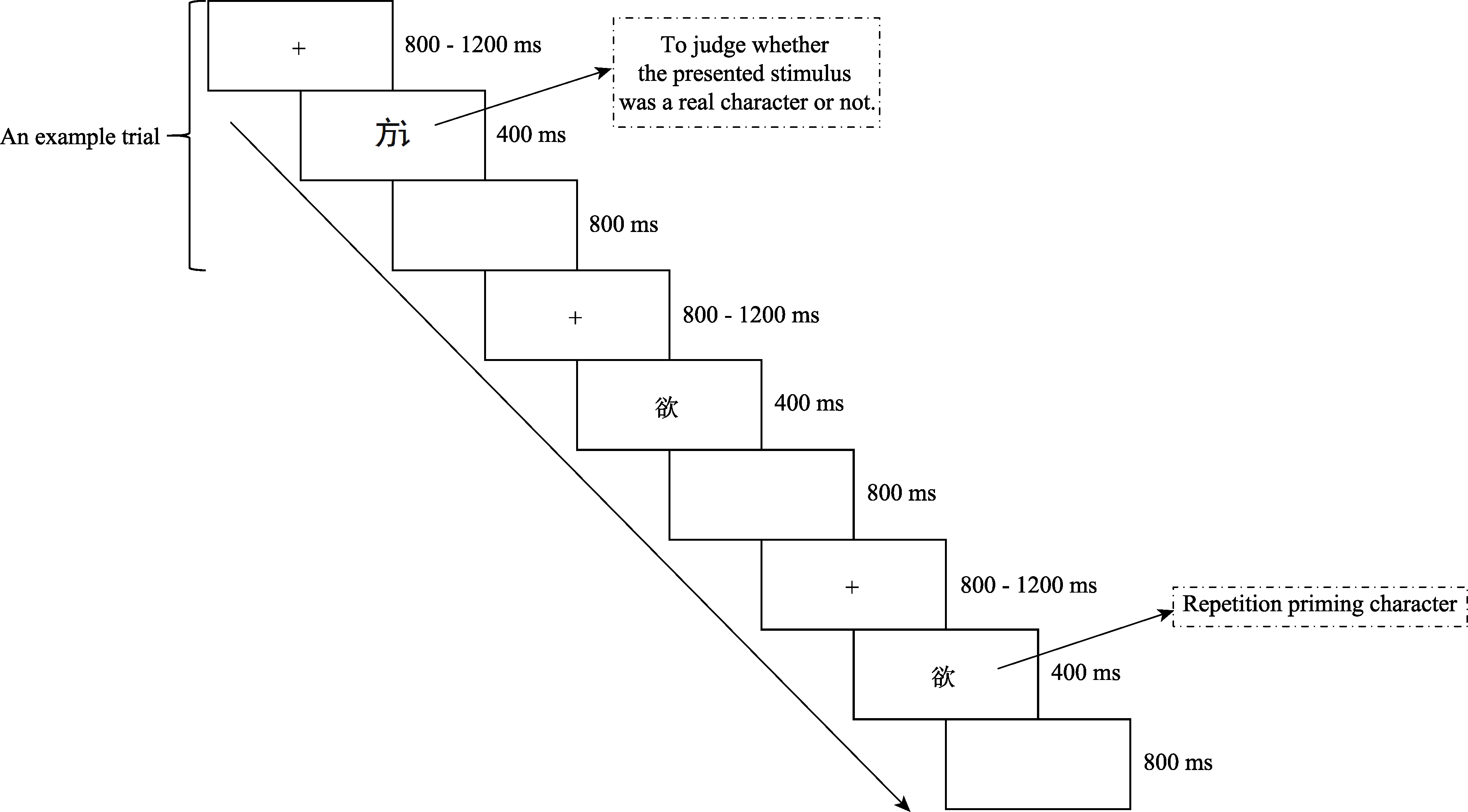
Figure 5. Illustration of Experiment 3 procedure and conditions.

Figure 6. EEG waveforms for four types of stimuli under repetition and control conditions (top) and topographic maps of N200 enhancement effect (repetition priming minus control; bottom).

Real Character Condition

Non-Character Condition

Switched-real Condition

Real-switched Condition
| [1] |
Cao, X., Li, S., Zhao, J., Lin, S., & Weng, X. (2011). Left-lateralized early neurophysiological response for Chinese characters in young primary school children. Neuroscience Letters, 492(3), 165-169.
doi: 10.1016/j.neulet.2011.02.002 pmid: 21310213 |
| [2] |
Chen, L., Fang, X., & Perfetti, C. A. (2017). Word-to-text integration: ERP evidence for semantic and orthographic effects in Chinese. Journal of Neurolinguistics, 42, 83-92.
doi: 10.1016/j.jneuroling.2016.11.010 pmid: 28670097 |
| [3] | Cohen, J. (1988). Statistical power analysis for the behavioral sciences (2nd ed.). Hillsdale, NJ: Lawrence Erlbaum. |
| [4] |
Du, Y., Hu, W., Fang, Z., & Zhang, J. X. (2013). Electrophysiological correlates of morphological processing in Chinese compound word recognition. Frontiers in Human Neuroscience, 7, 601.
doi: 10.3389/fnhum.2013.00601 pmid: 24068994 |
| [5] | Du, Y., Zhang, Q., & Zhang, J. X. (2014). Does N200 reflect semantic processing? — An ERP study on Chinese visual word recognition. PLoS ONE, 9(3), e90794. |
| [6] |
Gao, F., Wang, J., Wu, C., Wang, M. Y., Zhang, J., & Yuan, Z. (2022). The neural dynamics associated with lexicality effect in reading single Chinese words, pseudo-words and non-words. Cognitive Neurodynamics, 16, 471-481.
doi: 10.1007/s11571-021-09720-y pmid: 35401873 |
| [7] |
Gu, J., Li, X., & Liversedge, S. P. (2015). Character order processing in Chinese reading. Journal of Experimental Psychology: Human Perception and Performance, 41(1), 127-137.
doi: 10.1037/a0038639 pmid: 25621586 |
| [8] |
Henson, R. N. (2003). Neuroimaging studies of priming. Progress in neurobiology, 70(1), 53-81.
doi: 10.1016/s0301-0082(03)00086-8 pmid: 12927334 |
| [9] | Hsu, C. H., Tsai, J. L., Lee, C. Y., & Tzeng, O. J. L. (2009). Orthographic combinability and phonological consistency effects in reading Chinese phonograms: An event-related potential study. Brain and Language, 108(1), 56-66. |
| [10] |
Hu, W., Lu, Y., Ren, C., & Zhang, J. X. (2013). ERP evidence for the time course of mental rotation in the mirror reading of Chinese words. Neuroscience Letters, 552, 151-155.
doi: 10.1016/j.neulet.2013.07.041 pmid: 23933203 |
| [11] | Hua, H., Gu, J., Lin, N., & Li, X. (2017). Letter/character position encoding in visual word recognition. Advances in Psychological Science, 25(7), 1132-1138. |
| [12] | Kutas, M., & Federmeier, K. D. (2011). Thirty years and counting: Finding meaning in the N400 component of the event-related brain potential (ERP). Annual Review Psychology, 62, 621-647. |
| [13] | Luck, S. J. (2014). An introduction to the event-related potential technique. MIT press. |
| [14] | Lv, Y., Xu, G., & Shen, D. (2008). Within- and between-language priming effects of Chinese and English: An ERP study. Studies of Psychology and Behavior, 6(2), 81-88. |
| [15] |
Maurer, U., Brandeis, D., & McCandliss, B. D. (2005). Fast, visual specialization for reading in English revealed by the topography of the N170 ERP response. Behavioral and Brain Functions, 1, 13.
pmid: 16091138 |
| [16] | Maurer, U., Rometsch, S., Song, B., Zhao, J., Zhao, P., & Li, S. (2024). Repetition suppression for familiar visual words through acceleration of early processing. Brain Topography, 37(4), 608-620. |
| [17] |
Maurer, U., Zevin, J. D., & McCandliss, B. D. (2008). Left-lateralized N170 effects of visual expertise in reading: Evidence from Japanese syllabic and logographic scripts. Journal of Cognitive Neuroscience, 20(10), 1878-1891.
doi: 10.1162/jocn.2008.20125 pmid: 18370600 |
| [18] |
Meng, X., Jian, J., Shu, H., Tian, X., & Zhou, X. (2008). ERP correlates of the development of orthographical and phonological processing during Chinese sentence reading. Brain Research, 1219, 91-102.
doi: 10.1016/j.brainres.2008.04.052 pmid: 18539265 |
| [19] | Meng, Y., Xiao, F., & Zheng, S. (2023). The attentional boost effect: Attention and memory in dual-tasking. Chinese Journal of Applied Psychology, 29(6), 546-556. |
| [20] | Rossion, B., & Jacques, C. (2008). Does physical interstimulus variance account for early electrophysiological face sensitive responses in the human brain? Ten lessons on the N170. Neuroimage, 39(4), 1959-1979. |
| [21] |
Rossion, B., Joyce, C. A., Cottrell, G. W., & Tarr, M. J. (2003). Early lateralization and orientation tuning for face, word, and object processing in the visual cortex. Neuroimage, 20(3), 1609-1624.
pmid: 14642472 |
| [22] |
Schweinberger, S. R., Huddy, V., & Burton, A. M. (2004). N250r: A face-selective brain response to stimulus repetitions. Neuroreport, 15(9), 1501-1505.
pmid: 15194883 |
| [23] |
Simon, G., Petit, L., Bernard, C., & Rebaï, M. (2007). N170 ERPs could represent a logographic processing strategy in visual word recognition. Behavioral and Brain Functions, 3, 21.
pmid: 17451598 |
| [24] | Tsai, P. S., Yu, B. H. Y., Lee, C. Y., Tzeng, O. J. L., Hung, D. L., & Wu, D. H. (2009). An event-related potential study of the concreteness effect between Chinese nouns and verbs. Brain Research, 1253, 149-160. |
| [25] | Xiandai Hanyu Pinlü Cidian. (1986). Beijing: Beijing Language and Culture University Press. |
| [26] |
Xie, J., Huang, Y., Chen, K., Lin, Q., Zhang, J. X., & Mo, L. (2021). ERP evidence for asymmetric orthographic transfer between traditional and simplified Chinese. Experimental Brain Research, 239(2), 365-379.
doi: 10.1007/s00221-020-05976-8 pmid: 33184689 |
| [27] | Xu, G. (2008). Language presentation and language switching effects of less proficient Chinese-English bilinguals: An ERPs study(Unpublished Master’s thesis). Tianjin:Tianjin Normal University, China. |
| [28] | Yang, H., Taikh, A., & Lupker, S. J. (2022). A reexamination of the impact of morphology on transposed character priming effects. Journal of Experimental Psychology: Learning, Memory, and Cognition, 48( 6), 785-797. |
| [29] | Yin, Y., Cai, X., Ouyang, M., & Zhang, Q. (2020). The N200 enhancement effect in reading Chinese is modulated by actual writing. Neuropsychologia, 142, 107462. |
| [30] | Yin, Y., & Zhang, Q. (2021). Chinese characters are read using not only visual but also writing motor information. Psychophysiology, 58(1), e13696. |
| [31] | Zhang, Q., Ding, J., Guo, C., & Wang, Z. (2003). ERP difference between processing of nouns and verbs. Acta Psychologica Sinica, 35(6), 753-760. |
| [32] |
Zhang, Q., Guo, C. Y., Ding, J. H., & Wang, Z. Y. (2006). Concreteness effects in the processing of Chinese words. Brain and Language, 96(1), 59-68.
pmid: 15913753 |
| [33] |
Zhang, Q., Zhang, J. X., & Kong, L. (2009). An ERP study on the time course of phonological and semantic activation in Chinese word recognition. International Journal of Psychophysiology, 73(3), 235-245.
doi: 10.1016/j.ijpsycho.2009.04.001 pmid: 19358866 |
| [34] | Zhang, X. X. (2011). The meaning spelling theory of Chinese characters:Insight into the nature of written Chinese from the perspective of cognitive psychology. Journal of South China Normal University (Social Science Edition), (4), 5-13. |
| [35] | Zhang, X. X., Fang, Z., Du, Y., Kong, L., Zhang, Q., & Xing, Q. (2012). Centro-parietal N200: An event-related potential component specific to Chinese visual word recognition. Chinese Science Bulletin, 57(5), 332-347. |
| [36] | Zhou, A., Yin, Y., Zhang, J., & Zhang, R. (2016). Does font type influence the N200 enhancement effect in Chinese word recognition. Journal of Neurolinguistics, 39, 57-68. |
| [1] | HOU Juan, JIA Keke, FANG Xiaoyi. Trend analysis of marital satisfaction of mainland Chinese couples in the past 20 years [J]. Acta Psychologica Sinica, 2024, 56(7): 895-910. |
| [2] | LIANG Feifei, FENG Linlin, LIU Ying, LI Xin, BAI Xuejun. Different roles of initial and final character positional probabilities on incidental word learning during Chinese reading [J]. Acta Psychologica Sinica, 2024, 56(3): 281-294. |
| [3] | LIANG Feifei, LIU Ying, HE Fei, FENG Linlin, WANG Zheng, BAI Xuejun. Visual complexity effect in Chinese incidental word learning: Evidence from number of strokes and word length [J]. Acta Psychologica Sinica, 2024, 56(12): 1734-1750. |
| [4] | ZHANG Wen, PAN Chao, YAO Shiming, ZHU Jiajia, LING Dong, YANG Hanchun, XU Jingsha, MU Yan. “Neijuan” in China: The psychological concept and its characteristic dimensions [J]. Acta Psychologica Sinica, 2024, 56(1): 107-123. |
| [5] | YU Yanling, XIE Ruibo, WU Xinchun, XIA Yue, WANG Zhenliang, NGUYEN Thi Phuong. The relationship between metalinguistic awareness and reading fluency in elementary school children: The mediating role of character recognition and vocabulary knowledge [J]. Acta Psychologica Sinica, 2023, 55(6): 941-953. |
| [6] | LAN Zebo, GUO Meihua, JIANG Kun, WU Junjie, YAN Guoli. The distinctness of visual word recognition in hearing-impaired college readers: The effects of language experience and reading ability [J]. Acta Psychologica Sinica, 2023, 55(6): 954-967. |
| [7] | CHEN Fakun, CHEN Tian, CAI Wenqi, WANG Xiaojuan, YANG Jianfeng. fNIRS evidence for left middle frontal gyrus involved in visual-spatial analysis of Chinese characters [J]. Acta Psychologica Sinica, 2023, 55(5): 685-695. |
| [8] | YANG Chung Fang. Zhong-yong action self as a contributing factor to COVID-19 crisis management [J]. Acta Psychologica Sinica, 2023, 55(3): 355-373. |
| [9] | WANG Hui, WANG Ying, JI Xiaode, JI Ming. Dialectical leadership behavior and its impact on firm innovation capability and performance: An exploration based on the Chinese culture [J]. Acta Psychologica Sinica, 2023, 55(3): 374-389. |
| [10] | CAO Haibo, LAN Zebo, GAO Feng, YU Haitao, LI Peng, WANG Jingxin. The role of character positional frequency on word recognition during Chinese reading: Lexical decision and eye movements studies [J]. Acta Psychologica Sinica, 2023, 55(2): 159-176. |
| [11] | ZHU Yiming, ZHAO Yang, TANG Ning, ZHOU Jifan, SHEN Mowei. The role of stroke nodes in the recognition of handwritten Chinese characters [J]. Acta Psychologica Sinica, 2023, 55(12): 1903-1916. |
| [12] | ZHANG Manman, HU Huilan, ZHANG Zhichao, LI Xin, WANG Qiang, BAI Xuejun, ZANG Chuanli. The effect of lexical predictability on word processing in fast and slow readers during Chinese reading [J]. Acta Psychologica Sinica, 2023, 55(1): 79-93. |
| [13] | WU Meihong. The influence of aging on the unmasking effect of F0 contour cue in Chinese speech recognition [J]. Acta Psychologica Sinica, 2023, 55(1): 94-105. |
| [14] | XIA Yue, XIE Ruibo, WANG Zhenliang, NGUYEN Thi Phuong, WU Xinchun. The relationship among morphological awareness, character recognition and vocabulary knowledge in elementary school children: A cross-lagged model [J]. Acta Psychologica Sinica, 2022, 54(8): 905-916. |
| [15] | JIAO Liying, XU Yan, TIAN Yi, GUO Zhen, ZHAO Jinzhe. The hierarchies of good and evil personality traits [J]. Acta Psychologica Sinica, 2022, 54(7): 850-866. |
| Viewed | ||||||
|
Full text |
|
|||||
|
Abstract |
|
|||||
